Grease Trap Cleaning in Tracy, CA
Backed-up grease trap, inspection coming up, or routine pumping due? Speak with a service provider serving Tracy to discuss pricing, check availability, and book your service.
Call to Book Service(209) 318-4471Your call connects you with an independent service provider. Confirm pricing and book directly with them.
- Indoor grease traps alongside buried interceptor tanks
- Routine servicing, trap backups, and preparation for inspections
- Restaurants, school cafeterias, hotel kitchens, hospitals, food plants
Book by Phone
Call about an urgent issue or schedule your next pumping.
Call to Book(209) 318-4471- 1Enter your ZIP code Follow the phone prompt to reach a company serving your area.
- 2Describe what you need Explain the problem or the service you want to schedule.
- 3Confirm and book Ask about pricing, what is included, and the next available appointment.
Which situation are you in?
Need help now or planning your next service? Choose the situation that matches your kitchen.
Backed up or overflowing
When a trap fills, it may no longer separate grease effectively, and wastewater can rise through kitchen drains. Take these steps:
- Keep fats out of plumbing. Scrape food into the trash and pour spent cooking oil into its collection container.
- Stop using connected fixtures. Turn off the sinks and dishwashers that empty into the affected trap.
- Direct employees around the spill. Keep people away from any wastewater that has reached the floor.
- Gather a photo and service date. Photograph the trap, then check your records to see when it was last pumped.
Smell or slow drains
A sour odor or a sink draining slowly after a rush can point to grease and food debris collecting in the trap. The trouble could also be a blocked line. Many local programs call for cleaning before accumulated grease and solids reach 25 percent of the trap's depth. Pumping now may help prevent an overflow and the cleanup afterward.
Call About Odors or Slow DrainsInspection due or notice received
Before an inspection, gather your cleaning records. Inspectors may also request a written grease management plan in many areas. If the log is incomplete, arrange pumping ahead of the visit and add the service to your records. Ask for a disposal manifest to keep on file.
Call About an Inspection DeadlineRoutine schedule, new opening, or several locations
Opening a kitchen? Line up a provider before you open. Many sewer authorities ask kitchens to keep a grease management plan and service records. If you oversee several sites, ask whether they can use one schedule and one set of records. For a kitchen already operating, a standing schedule can help keep buildup within the local limit.
Call to Schedule PumpingGrease trap and interceptor services
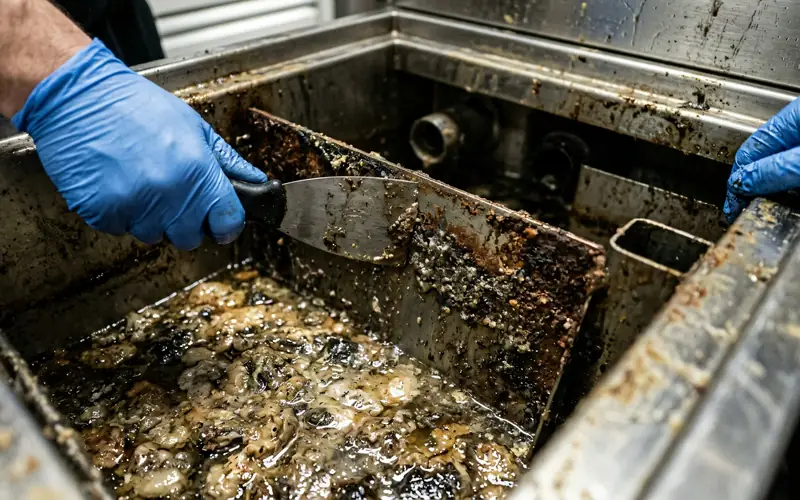 Indoor trapsGrease Trap CleaningFor kitchens finding grease on trap surfaces or dealing with slow drainage that may need more than pumping.Learn about cleaning →
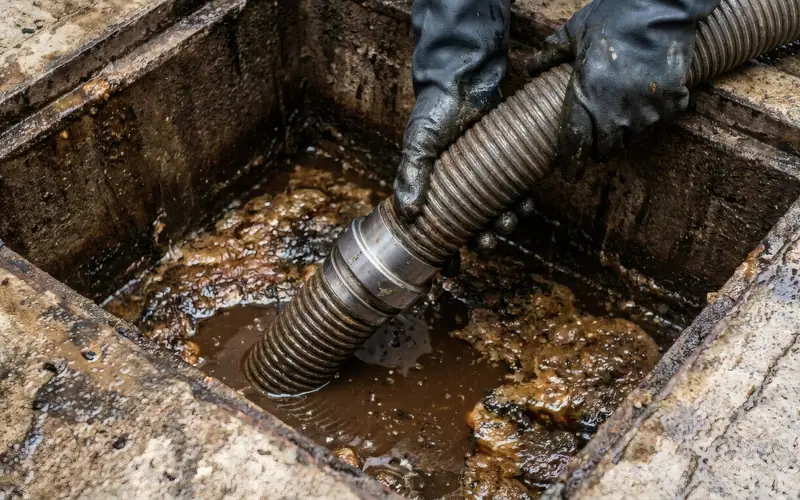 Indoor trapsGrease Trap PumpingFor kitchen operators who need to clear accumulated grease and food solids from a trap.Learn about pumping →
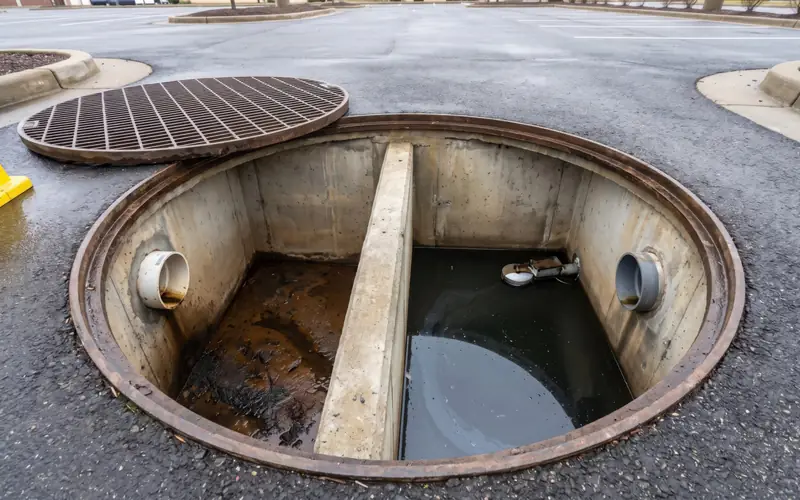 In-ground interceptorsGrease Interceptor CleaningFor kitchens with outdoor interceptors, cleaning addresses grease and solids left on tank surfaces and fittings.Learn about interceptor cleaning →
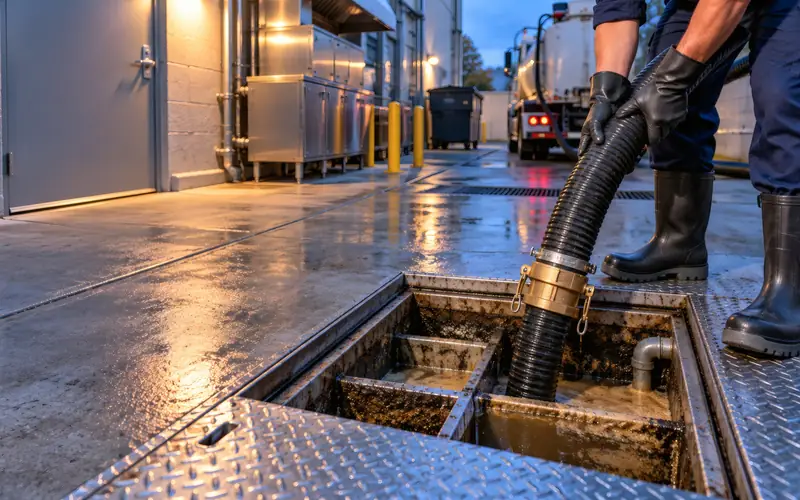 In-ground interceptorsGrease Interceptor PumpingFor kitchens with a large interceptor that needs grease, wastewater and settled food solids removed.Learn about interceptor pumping →
Who uses this service
Cooking and washing put grease into wastewater, so kitchens with a grill, fryer or dishwasher use a trap or interceptor.
- Restaurants and cafes
- Fast food
- School and university cafeterias
- Hotels
- Hospitals and care homes
- Food processing plants
- Grocery delis and bakeries
- Caterers and commissaries
Ready to Book Grease Trap Cleaning?
Discuss your kitchen’s needs, confirm pricing, and book an available appointment.
Grease trap or grease interceptor?
You can make the call without identifying your equipment. Use this comparison to explain where the unit sits and what drains into it.
- Location
- Indoors, under a sink or set in the kitchen floor
- Flow rating
- Roughly 20 to 100 gallons per minute
- Which kitchens
- Cafes, small restaurants, bars, coffee shops
- Typical pumping interval
- Every 1 to 4 weeks for most busy kitchens
- Location
- Outdoors, buried below a parking lot or yard
- Typical size
- Roughly 500 to several thousand gallons
- Which kitchens
- High-volume restaurants, schools, hospitals, food plants
- Typical pumping interval
- Every 1 to 3 months, depending on volume and local rules
What Affects Grease Trap Cleaning Cost?
The price depends on the unit and the work required. When you call, describe your setup and ask what the quote includes.
Size and number of units
Your trap or interceptor’s capacity, if known, and how many units need service.
Current condition
When it was last pumped and whether you have a backup, odors, or slow drainage.
Access and scheduling
Where the unit is located, access restrictions, and your preferred service time.
Disposal and additional work
Whether disposal, service records, and any additional cleaning are included in the price.
Not sure what size unit you have? You can still call. Describe its location and the issue you are having.
Questions to ask before you hire a pumper
Before you book, ask what the service includes, which records you will receive, and whether any additional charges may apply.
- 1Are you permitted to haul grease waste in this area?Requirements depend on location. Request the relevant hauling documents before making arrangements and file their details with your maintenance records.
- 2Can you give us a manifest documenting waste disposal?This document helps account for the load after it leaves your kitchen. Store it alongside the paperwork from the pump-out.
- 3Does your service include emptying the entire trap, including sludge?A surface skim leaves settled food solids behind. Those deposits occupy space needed for wastewater to move through the trap.
- 4Do you look over the baffles and outlet while pumping?These parts guide wastewater through the trap. Request a written note about any damage or loose fittings that may need attention.
- 5Can we set up pump-outs on a regular schedule?Advance planning can make kitchen access easier to coordinate. Your city or sewer district determines the applicable timing requirements.
- 6Can you complete our cleaning log following each service?Many local programs require each cleaning to be recorded, with the date, material removed and condition of the trap.
What to Have Ready When You Call
A few details can help the service provider assess your needs and discuss the right appointment.
- Your service address and ZIP code.
- Whether you have an indoor grease trap or an outdoor interceptor.
- The unit’s size, if known.
- Approximately when it was last pumped.
- Any backup, odors, slow drainage, or inspection deadline.
- The number of units or locations needing service.
Share what you know. You do not need every detail before calling.
Grease trap service across Tracy, CA
Need grease trap or interceptor cleaning at your Tracy business? Call about routine pumping, a current backup, or service ahead of an inspection.
Provide your address and ZIP code to confirm coverage. You can discuss access, preferred appointment times, and recurring service when you book.
Frequently Asked Questions
How often should a grease trap be cleaned?
Cleaning needs vary from kitchen to kitchen. Consider the dishes you prepare, the grease entering the drain, your wastewater flow and the kind of trap installed. Local requirements may apply; ask a provider for help planning a schedule.
What does grease trap cleaning cost?
Pricing varies with the size and condition of the unit, access, and the work required. Call to discuss your setup and request pricing. Before booking, confirm whether the quote includes disposal, service records, and any additional charges.
Do providers clean grease interceptors as well as indoor grease traps?
Yes, some companies work on both, though the equipment they accept varies. Identify yours as an indoor trap or an interceptor and mention its size if known. That lets the provider check whether the job fits.
What happens if I delay grease trap cleaning?
Accumulated grease and food solids leave less room for separation, reducing the trap's effectiveness. You may notice unpleasant smells, sluggish drains or a backup. A blocked line can also affect drainage, and overdue cleaning can cause compliance issues.
How long does grease trap pumping take?
That depends on the size and contents of the equipment, how easily it can be reached and what the work involves. Give the provider a description of your setup and ask for an estimate.
Who will I speak to when I call?
After the ZIP-code prompt, you will speak with an independent service provider serving your area. You can discuss the work, confirm pricing and availability, and book directly with that company. This website helps connect callers with service providers; it does not perform the cleaning.
Need Grease Trap Cleaning in Tracy, CA?
Urgent issue or routine maintenance? Call to discuss your service needs, confirm pricing, and book an available appointment.
Call to Book Service(209) 318-4471